Integrated directly as a specialized modality inside your standard massage therapy session.
Learn more about our Registered Massage Therapy treatments.
You may have noticed the round cupping marks seen on athletes, celebrities, or across social media. While cupping has gained popularity in recent years, this therapeutic technique has been used for centuries and continues to be incorporated into modern massage therapy treatments.
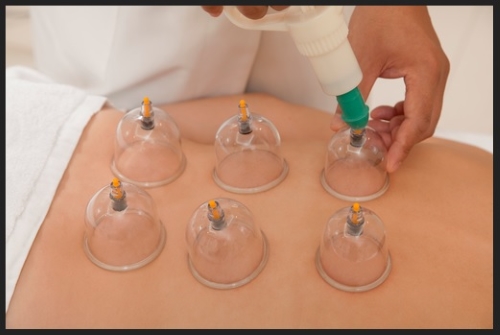
Unlike traditional massage techniques that use downward pressure to work through areas of tension, cupping works in the opposite way. Using gentle, targeted suction, cups create negative pressure that lifts the skin and underlying fascial layers away from the tissues beneath. This lifting action helps create space within restricted areas, encouraging circulation, improving tissue mobility, and supporting relaxation in tight, overworked muscles.
One of the most common questions about cupping is the distinctive circular marks left behind. These marks are not true bruises — traditional bruising happens when blood vessels are physically torn or ruptured by blunt impact. Cupping marks occur because suction draws blood toward the surface of the skin and temporarily increases local circulation. The colour and intensity of the marks can vary depending on the individual and the area treated.
At our clinic, we do not treat cupping as a rigid standalone treatment. Instead, we use it dynamically to enhance your standard massage therapy session. Depending on your body's specific therapeutic goals, your practitioner will either place the cups in a static position to soften stubborn "knot" patterns or apply oil to glide the cups fluidly along your muscles to stretch tight fascia.
Available as an add-on with any standard massage session — no separate fee, just let your Registered Massage Therapist (RMT) know.
Your therapist will assess whether cupping is appropriate for you based on your health history, medications, and treatment goals. Cupping may not be recommended for everyone, including some individuals with certain skin conditions, blood disorders, or other medical considerations — please let your therapist know about any relevant health history before your session.
Yes, for most people. Cupping is a well-tolerated technique when performed by an RMT as part of a standard massage session, though it isn't right for everyone.
Cupping can leave temporary circular marks that typically fade over several days to about a week. These aren't bruises from impact — they're a normal, visible response to the suction technique.
Blood thinners and certain blood disorders are among the factors your therapist reviews before including cupping in your session. Please mention any medications during intake.
Because marks can remain visible for several days, many clients schedule cupping after an important event, or far enough in advance that any marks have faded.
Evening and weekend appointments available — book online in a couple of minutes.
Book online19 Main St W, Kingsville, ON N9Y 1H2
519-733-0181
Mon–Sat, evenings available